
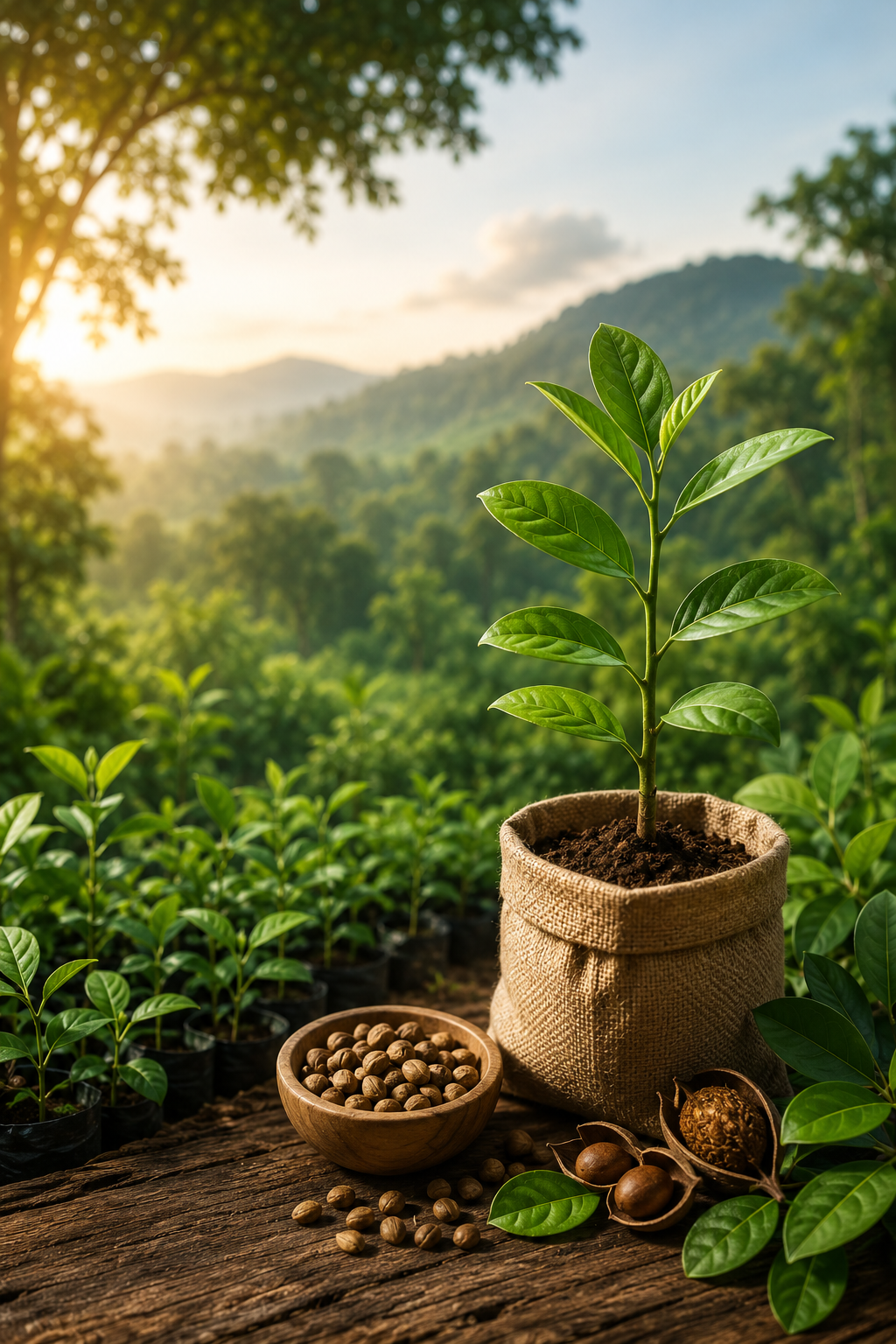
A Greener Choice for a Better Tomorrow
When we think about creating beautiful gardens, restoring forests, or making our surroundings greener, we often focus on appearance. However, the real strength of any green space lies in the plants that naturally belong to that region. Native plants are more than just vegetation—they are the foundation of healthy ecosystems, thriving wildlife, and sustainable landscapes.
At Agatya Greens, Maharashtra’s trusted forest plants and seeds nursery, we believe that planting native species is one of the simplest yet most impactful ways to protect nature while creating long-lasting green spaces.
In this guide, you’ll discover why native plants are important, how they benefit the environment, and why they should be your first choice for gardening, farming, landscaping, and plantation projects.
What Are Native Plants?
Native plants are species that have naturally grown in a specific geographical region for hundreds or even thousands of years. They evolved alongside the local climate, soil, insects, birds, and wildlife, making them perfectly adapted to their surroundings.
Unlike exotic or ornamental plants introduced from other countries, native plants require minimal human intervention because nature has already prepared them to thrive in local conditions.
For Maharashtra, examples include native forest trees, flowering shrubs, medicinal herbs, and indigenous grasses that support the state’s unique biodiversity.
Why Are Native Plants So Important?
Native plants play a vital role in maintaining ecological balance. They are not just beautiful—they perform essential environmental functions that imported plants often cannot.
1. They Support Local Biodiversity
Native plants provide food, shelter, and breeding habitats for countless birds, butterflies, bees, insects, reptiles, and small mammals.
Without native vegetation, many pollinators struggle to survive because they depend on specific plants for nectar and pollen.
A single native tree can support hundreds of species throughout its lifetime.
2. Native Plants Save Water
One of the biggest advantages of native plants is their ability to survive with significantly less water.
Since they naturally evolved in Maharashtra’s climate, they are already adapted to:
- Seasonal rainfall
- Summer heat
- Local soil conditions
- Periodic droughts
This means less irrigation, lower water bills, and better sustainability.
3. Lower Maintenance Costs
Native plants generally require:
- Less watering
- Minimal fertilizers
- Fewer pesticides
- Less pruning
- Reduced maintenance
This makes them ideal for homeowners, schools, industries, housing societies, farms, and government plantation projects.
4. Improve Soil Health Naturally
Healthy soil is the backbone of healthy ecosystems.
Native plants develop deep root systems that:
- Prevent soil erosion
- Increase water absorption
- Improve soil fertility
- Enhance microbial activity
- Reduce surface runoff
Over time, they create stronger and healthier landscapes.
5. Protect Wildlife
Many native birds and insects cannot survive without indigenous plant species.
Native trees provide:
- Nesting places
- Fruits
- Seeds
- Nectar
- Shade
- Safe habitats
By planting native species, you help preserve local wildlife for future generations.